
Aluminum vs. Vinyl Gutters: Which Is Better for Your Home?

Choosing the right gutter material is an important part of protecting your home from rainwater damage. Gutters collect runoff from the roof and direct it away from the foundation, helping prevent water from pooling around the property. Two common options are aluminum and vinyl gutters. Both are relatively lightweight and available for residential applications, but they differ in durability, installation, appearance, maintenance, and long-term value.
Aluminum gutters are generally preferred for permanent installations because of their durability, versatility, and availability in seamless designs. Vinyl gutters, on the other hand, can be an affordable option for homeowners who want a simpler, do-it-yourself installation.
Let’s compare the advantages and disadvantages of each material to help you decide which is right for your home.
What Are Aluminum Gutters?
Aluminum gutters are made from lightweight aluminum and are widely used in residential and commercial buildings. They are available in different sizes, profiles, thicknesses, and colors, making them suitable for a variety of architectural styles. One of their main advantages is that aluminum can be formed into continuous gutter sections. These are commonly called seamless gutters because they have fewer joints along the gutter run than sectional systems.
Storm Master manufactures aluminum gutters on-site using truck-mounted equipment, allowing each section to be made to the required measurements.
Advantages of Aluminum Gutters
1. Durable and lightweight

Aluminum offers a good balance between weight and durability. It is easier to handle than many heavier metal alternatives and is suitable for a wide range of residential and commercial applications. Aluminum does not develop iron rust, although it can still experience corrosion under certain conditions. It can also dent or bend if struck by ladders, falling branches, or other heavy objects.
2. Available in different styles and colors
Aluminum gutters are available in different profiles and finishes. Homeowners can choose a style and color that complements their roof, siding, trim, and other exterior features. Storm Master’s aluminum gutter options include K-style, half-round, and box profiles, with a range of colors to suit different properties.
3. Suitable for seamless installation
Aluminum can be formed into long, continuous sections to fit the dimensions of a property. Fewer joints along the gutter run mean fewer potential points for leaks to develop. Seamless gutters still have connections at corners, outlets, and other transitions, so proper installation and maintenance remain important.
4. Good long-term value
Aluminum typically costs more upfront than basic vinyl gutter systems, but its durability and availability in seamless designs can make it a worthwhile long-term investment. Storm Master states that its aluminum gutters can last up to 30 years, depending on the system and its care.
Disadvantages of Aluminum Gutters
1. Can dent or bend
Although aluminum is durable for its weight, it is not immune to impact damage. Falling branches, ladders, and other objects can dent or bend the gutter. The thickness of the aluminum and the quality of the installation can affect how well the system withstands everyday use.
2. Higher initial cost than vinyl
Aluminum generally requires a larger initial investment than basic vinyl gutters. The final price depends on gutter size, material thickness, profile, color, property dimensions, and installation requirements. However, the initial price should be considered alongside expected maintenance and replacement costs.
What Are Vinyl Gutters?
Vinyl gutters, also known as PVC gutters, are made from plastic. They are commonly sold in pre-cut sections that connect using fittings and joining components. Their lightweight construction and relatively straightforward assembly make them popular among homeowners considering DIY gutter installation.
Vinyl does not rust or corrode like metal materials. However, its performance can be affected by prolonged exposure to sunlight, temperature changes, and other environmental conditions.
Advantages of Vinyl Gutters
1. Lower upfront material cost
Vinyl is often one of the more affordable gutter materials available. For homeowners working with a limited budget, its lower initial material cost can be appealing. The total installation cost will still depend on the number of sections, fittings, brackets, downspouts, and other materials required.
2. Lightweight and suitable for DIY projects
Vinyl gutter sections are relatively easy to handle and are commonly designed to connect using compatible fittings. This makes them an option for homeowners who have the necessary tools, experience, and safety equipment for a DIY project. However, installation still requires accurate measurements, proper gutter slope, secure mounting, and suitable downspout placement.
3. Resistant to rust and corrosion
Because vinyl is a plastic material, it does not develop rust like iron-based metals. This can be an advantage in locations where homeowners want to avoid metal rust. However, resistance to rust does not mean the material is immune to weather-related deterioration.
Disadvantages of Vinyl Gutters
1. Can become brittle or crack
Vinyl can become more vulnerable to cracking as it ages or when exposed to harsh environmental conditions. Cold temperatures, temperature fluctuations, and prolonged sunlight exposure can affect the performance of some PVC products. This is an important consideration for properties exposed to freezing conditions or intense sunlight.
2. More joints and connection points
Most vinyl gutter systems are assembled from separate sections. Each connection creates another point that needs to be fitted and maintained correctly. Over time, joints and seals can become sources of leaks if they deteriorate or are not installed properly.
3. Limited long-term durability
Vinyl can be a practical choice for some projects, but it may not provide the same long-term performance as a properly installed aluminum system in demanding conditions. Its actual service life depends on product quality, installation, exposure, and maintenance. Homeowners should check the manufacturer’s warranty and product specifications rather than rely on a single lifespan estimate.
4. Fewer customization options
Vinyl gutter systems are generally sold in standard sectional sizes and finishes. This can limit the available choices compared with aluminum systems that can be formed on-site to suit a property’s dimensions.
Aluminum vs. Vinyl Gutters: Key Differences
The following table summarizes the main differences between the two materials.
| Feature | Aluminum Gutters | Vinyl Gutters |
|---|---|---|
| Material | Lightweight metal | Plastic (PVC) |
| Initial cost | Generally higher | Generally lower |
| Weight | Lightweight | Lightweight |
| Rust resistance | Does not develop iron rust | Does not rust |
| Impact resistance | Can dent or bend | Can crack or split |
| Temperature performance | Generally suitable for a wide range of climates | Can become brittle in cold or deform under heat, depending on the product |
| Installation | Professional installation is common; seamless options available | Sectional systems are commonly DIY-friendly |
| Connections | Fewer joints with seamless designs | Multiple joints and fittings |
| Customization | Wide range of sizes, profiles, and colors | Depends on available product ranges |
| Maintenance | Requires regular inspection and cleaning | Requires regular inspection and cleaning |
Neither material is maintenance-free. Both need to be checked for blockages, leaks, loose connections, and damage.
Which Is Better: Aluminum or Vinyl Gutters?
For most homeowners planning a long-term gutter installation, aluminum is generally the stronger choice. Its combination of durability, design flexibility, and seamless installation makes it suitable for many residential properties. It is also widely available through professional gutter installers.
Vinyl may be worth considering if your main priority is minimizing initial material costs or completing a smaller DIY project. However, its susceptibility to cracking and the number of sectional connections are important considerations when evaluating its long-term value.
Here are a few situations to help guide your decision:
- Choose aluminum if you want a durable system with a wide selection of colors and profiles.
- Choose aluminum if you prefer seamless gutters with fewer joints along the gutter run.
- Consider vinyl if your budget is limited and you prefer a sectional DIY system.
- Compare product specifications if your property experiences extreme heat, freezing temperatures, heavy snowfall, or other demanding weather conditions.
Ultimately, the best gutter system depends on your property, local climate, roof design, budget, and maintenance expectations.
Do Aluminum Gutters Make More Noise Than Vinyl Gutters?
Some homeowners notice the sound of rainwater flowing through their gutters, particularly during heavy rainfall. However, noise is not determined by gutter material alone. The amount of rain, roof design, gutter positioning, water flow, and downspout configuration can all influence the sound.
If noise is a concern, have the gutter system inspected to make sure it is properly positioned and securely installed. Also check that the downspouts are correctly connected and that water can flow freely through the system. Choosing aluminum or vinyl solely based on noise may not address the actual cause of the sound.
How to Maintain Your Gutters
Regardless of whether you choose aluminum or vinyl, regular maintenance is important for keeping your gutter system working properly.
Follow these basic maintenance practices:
1. Remove leaves and debris
Clear leaves, twigs, and other debris that can restrict water flow. Blocked gutters can overflow and allow water to collect around your roofline or foundation.
2. Inspect connections and joints
Check for leaks, loose fittings, and damaged sections. Pay particular attention to the joints in sectional gutter systems.
3. Check gutter alignment
Gutters should be positioned to direct water toward the outlets and downspouts. Look for sagging sections or areas where water remains after rainfall.
4. Inspect after severe weather
Heavy rain, strong winds, falling branches, and snow can damage gutter components. Check for dents, cracks, loose brackets, and disconnected sections.
5. Arrange professional maintenance when needed
If you notice recurring leaks, damaged sections, or drainage problems, consider having the system inspected by a professional.
Storm Master provides gutter cleaning and gutter repair and maintenance services to help keep gutter systems in good working condition.
Choose the Right Gutter System for Your Home
Both aluminum and vinyl gutters have advantages, but they are not equally suited to every property. Vinyl offers a lower-cost and relatively simple sectional installation, while aluminum provides greater flexibility in design and the option of seamless construction. For homeowners looking for a durable, professionally installed system, aluminum is generally the better long-term choice.
At Storm Master Gutters, we provide custom-made aluminum gutter systems in different sizes, profiles, and colors. Our team can help determine the right gutter solution for your property’s roof design and drainage requirements.
Visit our aluminum gutters page to learn more, or contact Storm Master Gutters to request a free estimate.
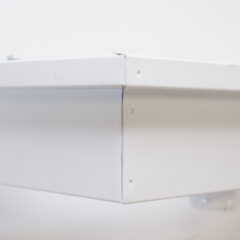







Aluminum gutters seem noisier than vinyl gutters, so I hear the water gushing down, even while I am inside the house with the new aluminum gutters. Both look similar.