Copper Gutters vs. Copper-Colored Gutters: What Is the Difference?

Gutters help protect your home by directing rainwater away from the roof, walls, and foundation. They also contribute to the overall appearance of your property. Among the available options, copper gutters are popular for their distinctive appearance, durability, and ability to develop a natural patina over time.
However, not every gutter with a copper-like appearance is made from copper. Copper-colored gutters offer a similar look using other materials and finishes, often at a lower initial cost.
Understanding the differences can help you choose a gutter system that fits your home’s appearance, drainage requirements, and budget. Here is what you should know about real copper gutters, copper-colored alternatives, and zinc-coated copper.
The Appeal of Real Copper Gutters
 Copper gutters are valued for their distinctive appearance and long service life. They are commonly selected for traditional homes, luxury properties, historic restorations, and buildings where exterior details are an important part of the design.
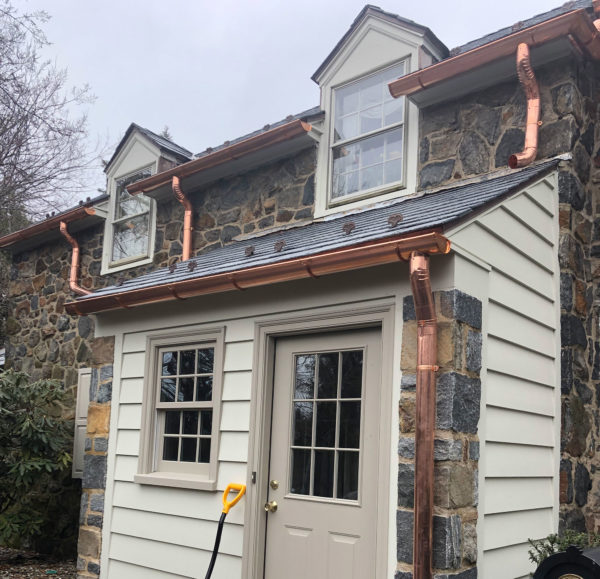
One of the most recognizable characteristics of real copper is the way its surface changes over time. When new, copper has a bright, warm metallic appearance. Exposure to weather gradually causes oxidation, changing the surface to darker brown and other tones. Depending on the environment, copper may eventually develop a green patina.
This natural aging process gives copper gutters a character that painted or coated alternatives do not necessarily reproduce.

Durability and Corrosion Resistance
Copper is naturally resistant to corrosion and has a long history of use in exterior building applications. When properly designed, installed, and maintained, copper gutters can last for decades. Storm Master notes that its properly installed and maintained copper gutters can last up to 100 years or more.
Copper’s durability makes it a premium option for homeowners who want a long-lasting gutter system and are prepared for the higher initial investment.
Appearance That Changes Over Time
The natural patina is one of the main reasons homeowners choose copper. Rather than keeping the same finish throughout its service life, real copper gradually develops a weathered appearance.
The rate and final color of this process depend on local climate and exposure. As a result, copper gutters may not develop the same appearance on every property.
Recyclability
Copper is recyclable and retains value as a material. This can be another consideration for homeowners who prioritize durable building materials and long-term use.
What Are Copper-Colored Gutters?
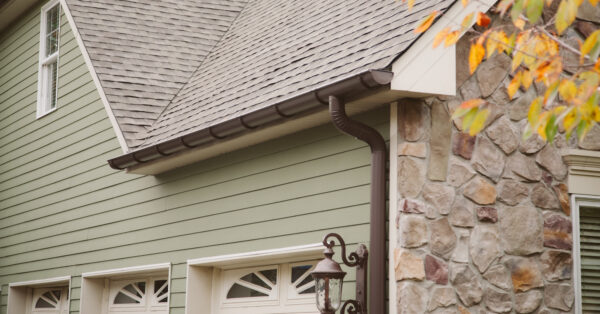
Copper-colored gutters are designed to provide a copper-like appearance without necessarily using solid copper as the primary material. They may be made from aluminum or other metals and finished in a color that resembles copper. The exact material and finish depend on the product.
For example, we offer seamless half-round aluminum gutters in Musket Brown as a more affordable alternative to traditional copper. The appearance is similar to copper, but the gutter is made from aluminum rather than copper.
Copper-colored alternatives can appeal to homeowners who like the look of copper but have a more limited budget or prefer a consistent exterior color.
Consistent Appearance
Unlike natural copper, a colored or coated gutter is designed to maintain its selected finish rather than develop the same natural patina.
This makes copper-colored gutters a practical choice when you want the exterior appearance to remain relatively consistent.
The finish can still be affected by weathering, exposure, and product quality. Check the manufacturer’s specifications for details about color retention and maintenance.
Lower Initial Cost
Copper-colored aluminum alternatives generally cost less than real copper gutters. This allows homeowners to achieve a similar visual effect without paying for a full copper gutter system.
The actual cost depends on the material, gutter profile, finish, dimensions, and installation requirements.
Real Copper vs. Copper-Colored Gutters: Key Differences
The most important difference is the material. Real copper gutters are made from copper, while copper-colored alternatives use another material with a copper-like finish.
| Feature | Real Copper Gutters | Copper-Colored Alternatives |
| Main material | Copper | Often aluminum or another metal |
| Appearance | Natural metallic finish that changes with age | Designed to maintain a consistent color |
| Patina | Develops naturally over time | Does not develop the same natural copper patina |
| Initial cost | Generally higher | Generally more affordable |
| Durability | Long-lasting when properly installed and maintained | Depends on the base metal and finish |
| Maintenance | Requires routine inspection and cleaning | Requires routine inspection and cleaning |
| Best suited for | Premium homes, historic properties, and long-term exterior design | Homeowners seeking a copper-like appearance at a lower initial cost |
Both options can provide effective rainwater drainage when correctly sized and installed. The right choice depends on your priorities for material, appearance, budget, and long-term ownership.
What Are Zinc-Coated Copper Gutters?
 Zinc-coated copper gutters are another option, but they should not be confused with ordinary copper-colored aluminum gutters. These gutters use copper as the base material with a zinc coating that changes the visible finish. Storm Master describes its zinc-coated copper gutters as having a gunmetal appearance that remains consistent over time.
This option is intended for homeowners who want the durability associated with copper but prefer a different exterior finish from traditional bright copper and its natural patina.
It is also important to distinguish zinc-coated copper from Galvalume. Galvalume uses a steel substrate with an aluminum and zinc coating. Although it can provide a similar appearance, it is a different material and should not be treated as a copper gutter.
When comparing these options, look at the actual material specification rather than relying on the product’s color or name.
Which Gutter Option Is Right for Your Home?
Choosing between real copper and a copper-colored alternative comes down to what matters most to you.
Choose real copper gutters if:
- You want an authentic copper finish.
- You appreciate the natural patina that develops over time.
- You are investing in a premium exterior feature.
- You want a durable material with a long service life.
Consider copper-colored aluminum gutters if:
- You like the appearance of copper but have a smaller budget.
- You prefer a more consistent exterior color.
- You want an aluminum gutter system rather than a solid copper one.
Consider zinc-coated copper if:
- You want a copper gutter with a different finish.
- You prefer the gunmetal appearance described by Storm Master.
- You want to compare the finish and cost of traditional copper with another copper option.
Before making a decision, consider the roof design, gutter profile, drainage requirements, and compatibility of the gutter system with the rest of your home’s exterior.
Final Thoughts
Copper gutters and copper-colored gutters may look similar, but they are not the same. Real copper offers a distinctive natural finish that changes over time, while copper-colored alternatives provide a more consistent appearance and can be more affordable.
Zinc-coated copper is another option, offering a different finish while retaining copper as its base material. Galvalume and copper-colored aluminum are separate alternatives with their own material characteristics.
The best choice depends on your budget, preferred appearance, and expectations for long-term performance. Whichever option you choose, proper sizing, installation, and routine maintenance remain essential to protecting your home from water damage.
If you are considering copper gutters or a copper-colored alternative, we can help you compare available styles and find a gutter system suited to your home.
Contact us for a free estimate.