
5 Common Types of Roofing Materials Used on Residential Homes

Choosing a roofing material is an important part of building or renovating a home. The roof protects the property from rain, wind, sunlight, and other weather conditions. It also has a significant effect on the home’s appearance, maintenance requirements, and long-term costs.
There are several roofing materials available, each with different characteristics. Some are valued for their affordability, while others are chosen for their appearance, durability, or resistance to specific weather conditions. Your choice of roofing material can also affect how your gutter system is installed and maintained. Roof edges, overhangs, drainage patterns, and material details should all be considered when planning rain gutters.
Here are five common roofing materials used on residential homes.
1. Asphalt Shingles
Asphalt shingles are one of the most widely used residential roofing materials in the United States. They are relatively affordable, readily available, and offered in different colors and styles. An asphalt shingle generally consists of a reinforcing mat, asphalt coating, and protective mineral granules. Most modern asphalt shingles manufactured in the United States use a fiberglass mat.
There are two historical categories of asphalt shingles based on their reinforcing material:
Fiberglass Asphalt Shingles
Fiberglass asphalt shingles use a mat made from glass fibers. The mat is coated with asphalt and covered with mineral granules that help protect the surface from sunlight and weather exposure. They are widely used because they offer a practical combination of cost, availability, and performance. Different products are available with varying wind resistance, fire ratings, colors, and warranties.

Organic Asphalt Shingles
Organic asphalt shingles use a cellulose-based mat, traditionally made from materials such as recycled paper or wood fibers. The mat is saturated with asphalt to provide water resistance. These shingles were used in the past, but modern U.S. asphalt shingles are predominantly fiberglass-based. Organic shingles should therefore be treated as a legacy roofing option rather than a common choice for new residential installations.
Gutter Considerations
Asphalt shingle roofs commonly use gutters installed along the lower roof edges. The roof’s drainage area, pitch, and local rainfall help determine the appropriate gutter size and downspout layout. Make sure the roof’s drip edge and gutter position allow runoff to enter the gutter rather than flow behind it.
2. Metal Roofing
Metal roofing is another popular option for residential properties. It is available in different materials, profiles, finishes, and colors, allowing homeowners to match the roof to their preferred architectural style. Common metal roofing materials include steel, aluminum, zinc, and copper. Steel roofing may also have protective coatings to help resist corrosion.
Metal roofs are valued for their durability and relatively low maintenance requirements. However, their performance depends on the selected material, coating, installation quality, and exposure to weather. Some metal roofing systems can be repainted or refinished when the original finish deteriorates, but repainting is not automatically required for every metal roof.
Professional installation is important. Metal roofing panels need to be properly secured, flashed, and sealed around roof penetrations and transitions to help prevent water intrusion.
Gutter Considerations
Metal roofs can have different edge profiles and installation details from traditional shingle roofs. The gutter system should be positioned to collect runoff without interfering with the roof’s drainage or panel design. Also consider how snow and ice may slide from the roof in colder regions. Depending on the roof design, snow retention and gutter protection may need to be considered together.
Storm Master offers aluminum, copper, and custom gutter options that can be selected to complement different residential roof designs.
3. Clay and Concrete Roof Tiles
Clay and concrete roof tiles are popular in certain architectural styles, particularly Mediterranean and Spanish-inspired homes. They are available in different shapes, profiles, and colors. Although often grouped together, clay and concrete tiles are made differently.
Clay tiles are manufactured from natural clay and hardened through firing. They are available in traditional curved profiles as well as flat and interlocking designs.
Concrete tiles are made from a cement-based mixture that is molded into the required shape. They can be manufactured in different colors and profiles to achieve a variety of architectural appearances.
Both materials are known for their durability and resistance to rot and insect damage. Properly selected and installed clay and concrete tiles can also perform well in demanding weather conditions, including heavy rain and freeze-thaw environments.
However, tile roofing has some considerations:
-
Weight: Tile roofs are considerably heavier than asphalt shingles. The roof structure must be designed to support the additional load.
-
Impact damage: Individual tiles can crack or break when struck by falling branches or other heavy objects.
-
Installation: Proper underlayment, flashing, fastening, and roof preparation are important to the performance of the entire roofing system.
-
Cost: Tile roofing can have a higher initial cost than some other residential roofing materials.
Gutter Considerations
Tile roofs have specific roof-edge details that need to be considered during gutter installation. The position of the gutter should account for the tile overhang and the path of water flowing off the roof. Avoid relying on the tiles themselves as the only protection against water entering the roof assembly. Proper flashing, underlayment, and drainage details remain important.
4. Slate Shingles
Slate is a natural stone roofing material known for its distinctive appearance and long service life. It is available in different colors, textures, and thicknesses, making it suitable for traditional and high-end residential properties.
Natural slate is durable and does not rot. Depending on the slate quality, installation, and maintenance, a slate roof can remain in service for many decades. The National Slate Association notes that good-quality slate roofing systems can last around 75 years on average, with some lasting considerably longer.
Despite its durability, slate has several important considerations:
-
Weight: Slate is heavy, so the roof structure must be capable of supporting it.
-
Installation: Slate roofing requires experienced installers who understand the correct fastening and installation methods.
-
Cost: Natural slate is generally more expensive than common asphalt shingle options.
-
Fragility: Individual slate pieces can crack when subjected to impact or improper foot traffic.
If your home has a slate roof, avoid walking on it unless you are trained and properly equipped to do so. Routine roof inspections and gutter cleaning should be handled carefully to prevent damage.
Gutter Considerations
Slate roofs require care around the roof edge and gutter system. The gutter installation should accommodate the roof’s drainage details without putting unnecessary stress on the slate. Regular gutter cleaning is particularly important because blocked gutters can interfere with drainage and contribute to water problems around the roof edge.
5. Wood and Cedar Shake Shingles
Wood shingles and cedar shakes provide a natural appearance that works well with traditional, rustic, and cottage-style homes. Although the terms are sometimes used interchangeably, wood shingles and shakes are not exactly the same.
Wood shingles are generally sawn on both sides, giving them a more uniform appearance and consistent thickness.
Cedar shakes are traditionally split or sawn to produce a thicker and more textured roofing material.
Cedar is commonly used because of its natural appearance and insulating properties. However, the roof’s performance depends on the quality of the wood, installation, local climate, ventilation, and maintenance. The Cedar Shake & Shingle Bureau gives an approximate average lifespan of 30 to 40 years, although actual service life can vary considerably.
Wood roofing also requires regular attention. Leaves, branches, and other debris can collect between shakes and shingles, keeping the surface damp. Moss and other biological growth may also affect the roof if moisture is not managed.
Gutter Considerations
Cedar roofs benefit from a well-maintained drainage system. Keep gutters and downspouts clear so rainwater can move away from the roof and building efficiently. Pay particular attention to nearby trees. Overhanging branches can drop leaves, needles, and small branches onto the roof and into the gutters.
Regular cleaning and professional inspections can help identify drainage issues before they contribute to more serious problems.
Choosing the Right Gutters for Your Roofing Material
Your roofing material is one consideration when selecting a gutter system, but it should not be the only one. The right gutter system also depends on the roof’s size, pitch, drainage area, local rainfall, and the building’s design. The position of the roof edge and drip edge also affects how gutters should be installed.
Common gutter options include:
-
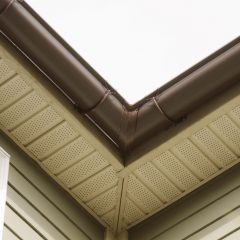
Aluminum gutters: Lightweight, available in different colors and profiles, and commonly used on residential properties.
-
Copper gutters: A distinctive option for homeowners who want a traditional or premium architectural finish.
-
Half-round gutters: A rounded profile that complements many traditional and historic homes.
-
Custom gutters: Made to suit specific building dimensions, roof designs, and drainage requirements.
Storm Master provides aluminum, copper, seamless half-round, box, and custom gutter systems for residential and commercial properties.
Protect Your Roof and Home with the Right Gutter System
Every roofing material has its own advantages and maintenance requirements. Asphalt shingles offer an accessible option for many homeowners, while metal, clay and concrete tiles, slate, and cedar provide different combinations of appearance, durability, and long-term performance. Whichever roofing material you choose, proper water management is essential. A correctly sized and installed gutter system helps collect roof runoff and direct it away from your home.
Storm Master Gutters provides gutter installation, cleaning, and repair services to help homeowners maintain an effective drainage system. Our team can help you choose a gutter style, material, and size that complements your property.
Contact us today to request a quote.





I like how you talked about how slate shingles look elegant and sophisticated. They definitely do give off that vibe and make any house seem more beautiful than they normally do. It helps that they have a long life span, making them a great investment to boot. My best friend is asking me for help in designing her new home. Since I’m already a homeowner while this is her first time, I thought I’d help her make some decisions when it comes to the materials of her house. I’ll call her about this and tell her exactly what type of material she’ll need so she knows what to tell the roofers when it’s time to build the roof.
I really appreciate you mentioning how environmentally friendly metal roofing materials are. Having a roof that we can recycle once we’re done with it could be a great way for us to make sure we upgrade our home without resorting to harming the surroundings. I’ll get a roofer in the area to help me get some metal right away.