Beginner’s Guide to Galvalume Gutters: Benefits and Considerations

When choosing a gutter system for your home or commercial property, the material is an important consideration. Aluminum, copper, and steel are among the materials used in gutter manufacturing, each offering different characteristics in terms of durability, appearance, and cost.
One option worth understanding is Galvalume. It is a coated steel material that combines the strength of a steel substrate with the corrosion protection of an aluminum-zinc coating.
Galvalume gutters can be an option for certain custom and commercial gutter applications. They are also used in some architectural projects where a particular metal finish or material specification is required.
If you are considering Galvalume for your property, here is what you should know about its composition, benefits, accessories, maintenance, and how it compares with galvanized steel.
What Is Galvalume?
Galvalume is a steel product coated with an aluminum-zinc alloy. The coating is applied to cold-rolled steel through a continuous hot-dipping process. A conventional Galvalume coating consists of approximately:
- 55% aluminum
- 43.4% zinc
- 1.6% silicon
These percentages describe the metallic coating, not the entire steel product. The combination of aluminum and zinc provides two types of corrosion protection. Aluminum contributes a protective barrier, while zinc provides galvanic protection at exposed edges and certain damaged areas.

This combination helps protect the underlying steel from corrosion and makes Galvalume a popular material for applications such as roofing, siding, and architectural metalwork. For gutter applications, the material can be fabricated into different profiles and dimensions depending on the project requirements.
Benefits of Galvalume Gutters
Galvalume offers several characteristics that make it worth considering for certain gutter installations.
1. Corrosion Resistance
One of the main advantages of Galvalume is its corrosion-resistant coating. The aluminum component creates a barrier against environmental exposure, while zinc provides additional protection at exposed edges.
This combination can provide better corrosion resistance than traditional galvanized coatings of comparable thickness under similar exposure conditions. However, Galvalume is not corrosion-proof. Its performance depends on the coating specification, installation environment, material compatibility, and maintenance.
2. Strength of Steel
Galvalume uses steel as its underlying material. This gives it structural characteristics that differ from lightweight aluminum gutters. The steel substrate provides strength, while the aluminum-zinc coating helps protect the material from corrosion. This combination can make Galvalume suitable for certain commercial and custom gutter applications where the project specifications call for coated steel.
3. Protection at Cut Edges
Cut edges are an important consideration when working with coated steel. When steel is cut or fabricated, the underlying material may become exposed. Galvalume’s aluminum-zinc coating helps provide protection at these areas through a combination of barrier and galvanic protection.
This is one of the advantages of the material over conventional galvanized coatings. However, fabrication and installation should still follow the material manufacturer’s recommendations to protect the coating and maintain the finished system.
4. Distinctive Metallic Appearance
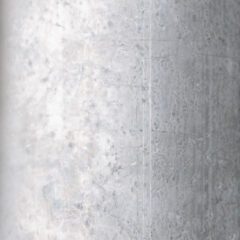
Unpainted Galvalume has a characteristic silvery metallic appearance. Its surface can have a subtle, fine-spangle finish that works well with certain modern, industrial, and commercial architectural designs.
Galvalume is also available in prepainted forms, depending on the material supplier and product specification. The appearance you choose should complement the building’s roof, exterior finishes, and overall architectural design.
5. Suitable for Custom Fabrication
Galvalume steel can be roll-formed, bent, and fabricated into different shapes. This makes it suitable for various architectural metal applications, including custom gutter profiles.
The final fabrication method must account for the material’s coating, bend requirements, joining methods, and compatibility with other gutter components. We use custom gutter fabrication equipment to produce gutter systems according to project specifications. Its commercial box gutters are commonly manufactured using aluminum or Galvalume, depending on the job requirements.
Accessories for Galvalume Gutters
Choosing the correct accessories is important when installing Galvalume gutters. Hangers, fasteners, rivets, and sealants should be compatible with the gutter material. Using unsuitable components can contribute to corrosion or deterioration around connection points. The appropriate accessories depend on the particular Galvalume product and the manufacturer’s installation recommendations.
Before installation, consider the following:
Hangers and Brackets
Gutter hangers provide support and help secure the gutter system to the building. The hanger material should have suitable corrosion resistance and be compatible with the Galvalume gutter. Aluminum and stainless steel may be suitable options for certain systems, but the exact specification should be confirmed with the material supplier.
Fasteners
Fasteners should be selected based on their corrosion resistance and compatibility with the gutter material. Stainless steel fasteners may be appropriate for some Galvalume applications. However, avoid assuming that every stainless steel or coated fastener is automatically suitable.
The fastener manufacturer’s specifications and the Galvalume supplier’s recommendations should guide the selection.
Rivets and Sealants
Rivets and sealants are used to secure and seal certain gutter connections. The material and chemical composition of these products matter. For example, Galvalume manufacturer guidance recommends avoiding fasteners containing copper or lead and using compatible neutral-cure silicone sealants for specified applications.
The correct installation products should always be confirmed for the particular gutter system.
Galvalume vs. Galvanized Steel
Galvalume and galvanized steel are both coated steel products, but they use different protective coatings. Galvalume uses an aluminum-zinc alloy coating, while galvanized steel traditionally uses a zinc coating.
The main differences include:
| Feature | Galvalume | Galvanized Steel |
|---|---|---|
| Base material | Steel | Steel |
| Protective coating | Aluminum-zinc alloy | Zinc |
| Corrosion protection | Combines aluminum barrier protection and zinc galvanic protection | Primarily zinc-based protection |
| Cut-edge protection | Provides barrier and galvanic protection | Zinc provides sacrificial protection |
| Appearance | Typically silvery with a fine spangle | Often has a more pronounced zinc spangle, depending on the finish |
| Common applications | Roofing, siding, architectural metalwork | Roofing, structural components, and general metal applications |
Galvalume generally provides better atmospheric corrosion resistance than traditional galvanized coatings of comparable thickness under similar exposure conditions.
ArcelorMittal’s technical documentation reports at least twice the service life of traditional zinc coatings of similar thickness in the tested environments. However, this is a manufacturer finding based on specific material specifications and exposure conditions, not a guaranteed lifespan for gutters.
The right choice depends on the project, environmental conditions, coating specifications, and installation requirements.
Can You Paint Galvalume?
Yes, certain Galvalume products can be painted, but the preparation and coating system must be suitable for the specific material. Some Galvalume products are supplied unpainted, while others are available with factory-applied coatings or paint finishes. If you plan to paint an existing Galvalume gutter, check the manufacturer’s recommendations first.
Important considerations include:
- Surface preparation: The surface must be clean and suitable for the selected coating system.
- Primer compatibility: Use a primer specifically recommended for the Galvalume surface.
- Paint selection: Choose a coating designed for the substrate and intended outdoor exposure.
- Application instructions: Follow the paint manufacturer’s requirements for preparation, drying, and application.
Do not assume that ordinary metal paint or a standard primer will adhere properly to every Galvalume finish. For custom gutter projects, discuss the available color and finish options with your installer before fabrication.
Special Considerations When Using Galvalume
Galvalume offers several useful material properties, but there are important considerations before choosing it for your building.
1. Material Compatibility
Galvalume should be installed with compatible fasteners, accessories, and adjacent building materials. Certain metals and construction materials can contribute to corrosion when they come into direct contact with coated steel or when runoff carries incompatible substances onto its surface. The installation team should review the material specifications and follow the manufacturer’s compatibility guidance.
2. Fabrication and Installation
Galvalume can be roll-formed and fabricated, but the coating must be protected during handling and installation. Incorrect bending, unsuitable fasteners, or improper sealing can affect the finished product. Working with an experienced installer helps ensure that the gutter sections, corners, outlets, and connections are fabricated and assembled correctly.
3. Environmental Exposure
Galvalume is designed to provide corrosion resistance in different environments, but actual performance depends on exposure conditions. Coastal environments, industrial pollution, trapped moisture, and contact with incompatible materials can influence the condition of the coating. The product specification should be selected with the installation environment in mind.
4. Residential vs. Commercial Applications
Not every gutter project requires Galvalume. Aluminum is widely used for residential gutter installations because it is lightweight, available in different colors and profiles, and can be manufactured into seamless sections.
Galvalume may be specified for certain commercial or custom gutter projects where coated steel is appropriate for the building design and material requirements. Storm Master manufactures commercial box gutters using aluminum or Galvalume depending on the project specifications.
Is Galvalume the Right Gutter Material for Your Property?
Galvalume can be a suitable option when a project requires the characteristics of coated steel, including its combination of strength and corrosion protection. However, it is not automatically the best material for every property. Before choosing Galvalume, consider:
- Building requirements: Determine whether the project calls for coated steel or another gutter material.
- Environmental conditions: Consider exposure to moisture, salt, industrial pollutants, and other potential sources of corrosion.
- Gutter design: Confirm that the selected material can be fabricated into the required profile and dimensions.
- Installation requirements: Make sure compatible hangers, fasteners, sealants, and accessories are available.
- Budget: Compare the complete project cost, including fabrication, accessories, and installation.
For many residential properties, aluminum remains a practical and versatile option. For certain commercial and custom projects, Galvalume may be specified as an alternative depending on the building’s requirements.
Explore Custom Gutter Options with Storm Master
Choosing the right gutter material involves more than comparing metal types. The roof design, drainage requirements, building materials, and installation conditions all influence the final decision. Storm Master Gutters provides residential and commercial gutter solutions, including aluminum, copper, and custom gutter systems.
For commercial projects, our custom box gutters can be manufactured using aluminum or Galvalume, depending on the project specifications.
Visit our custom gutters page to learn more about our commercial and custom gutter options, or contact us to request a free estimate.